Chapter Look Back: Chapter 18

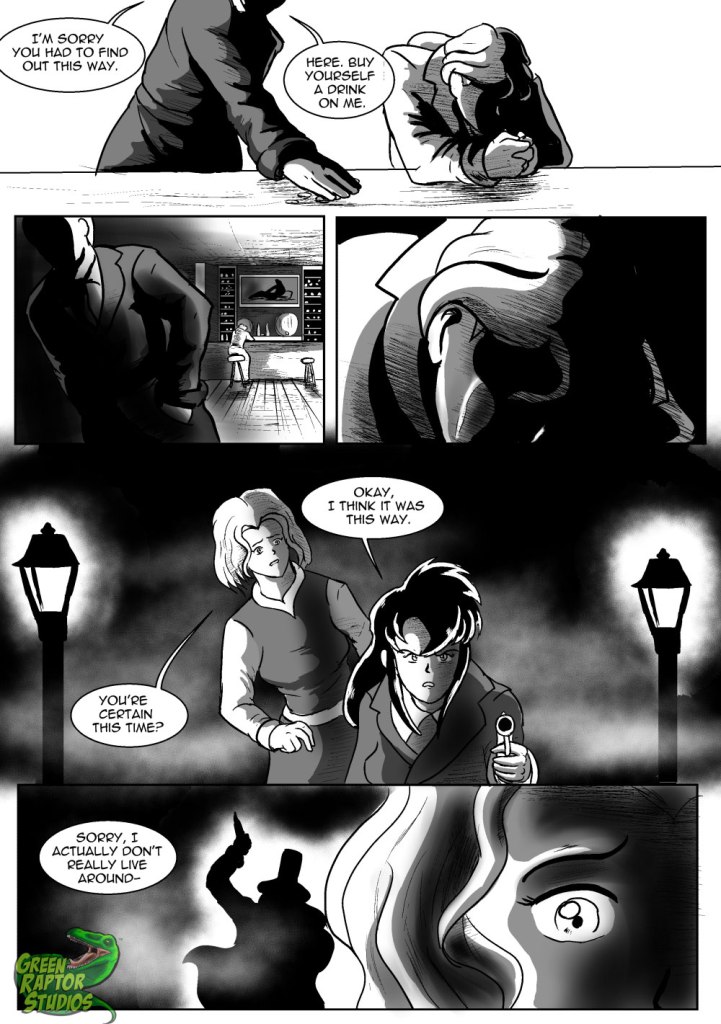
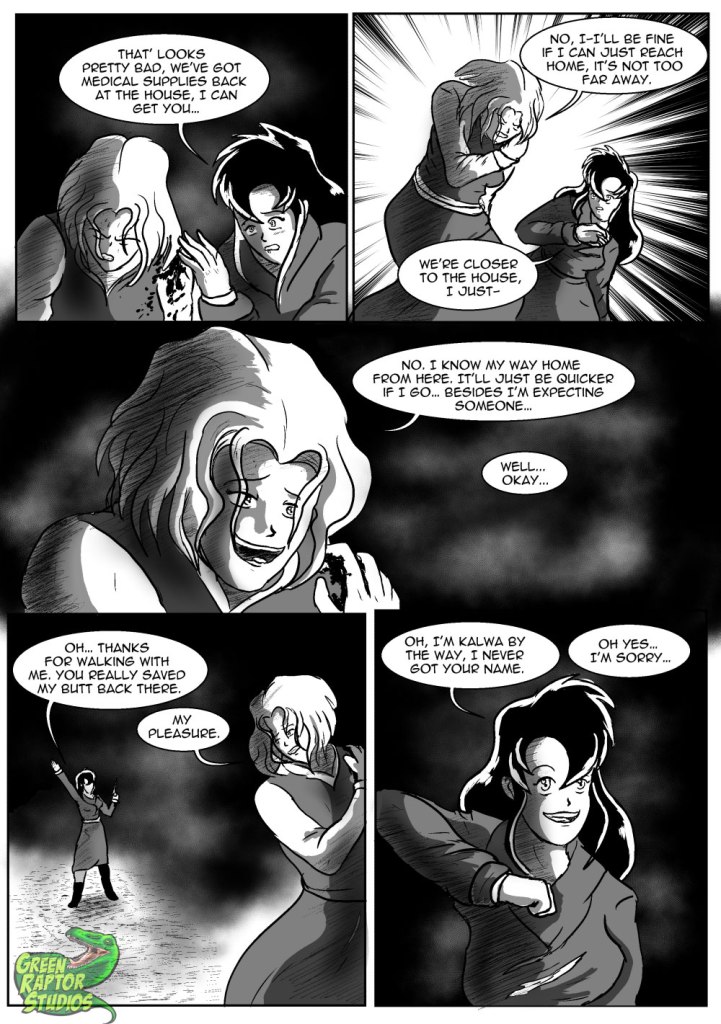
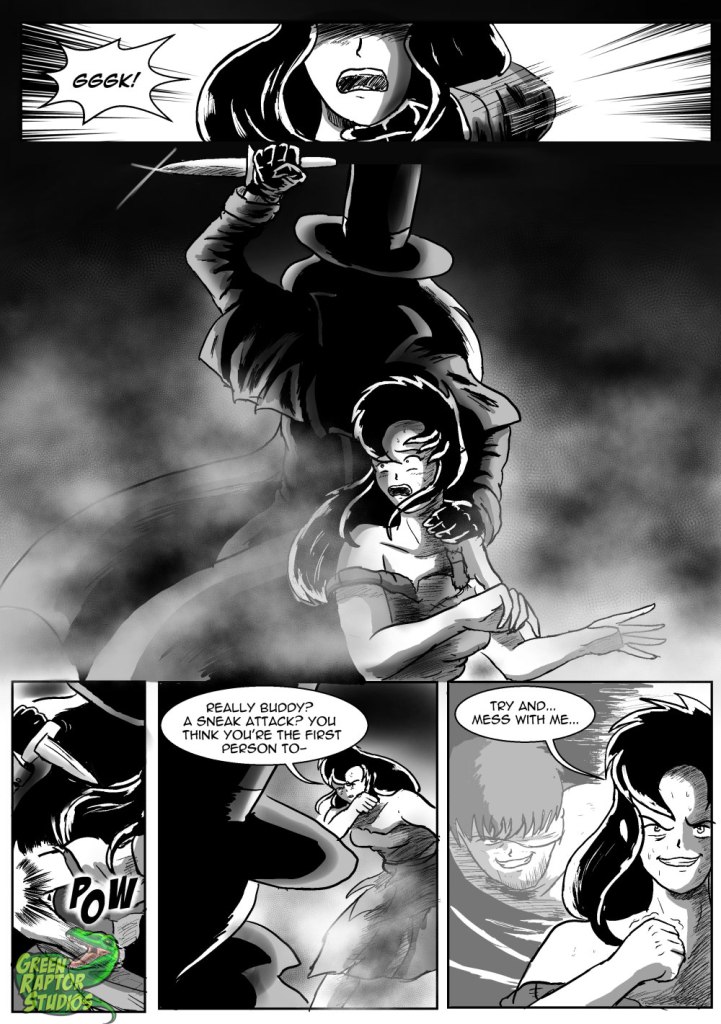
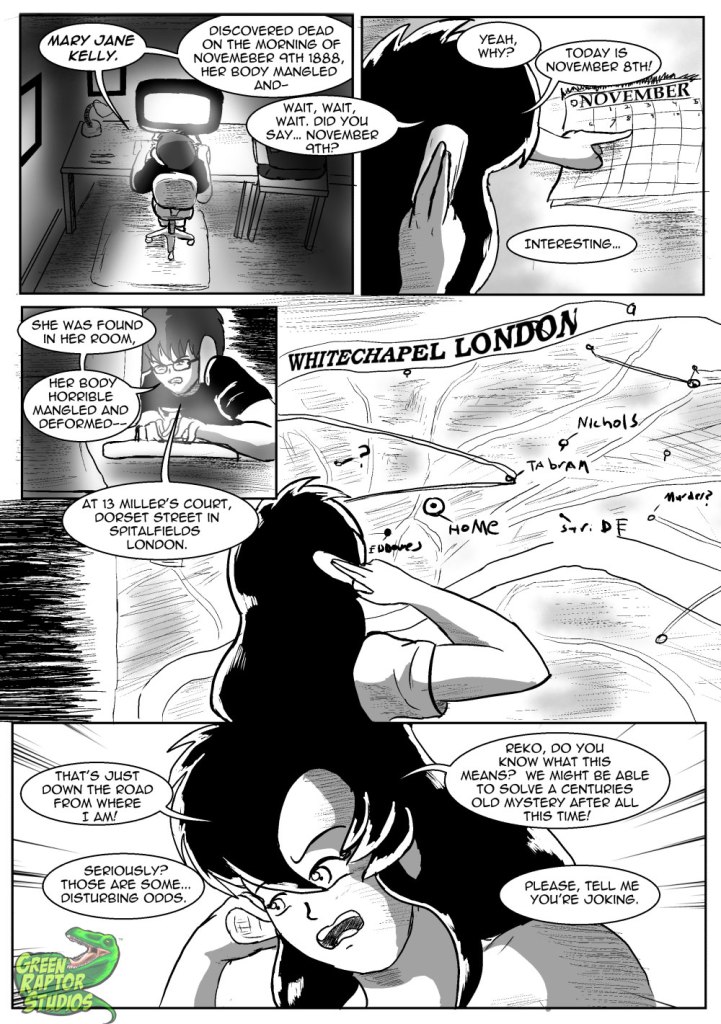
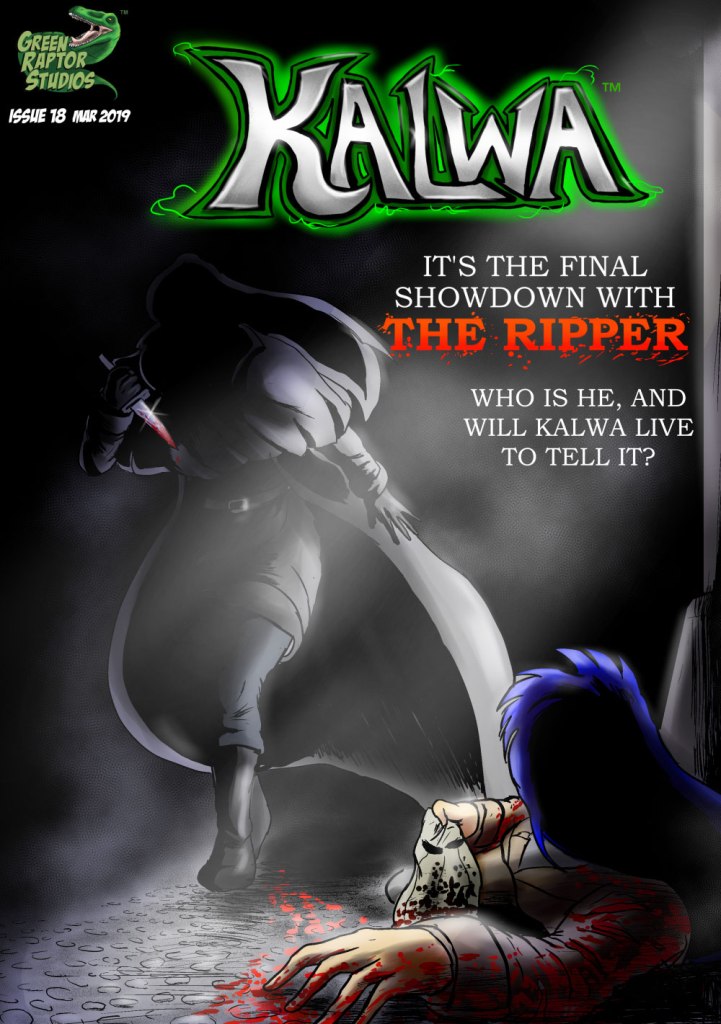
So now we come to chapter 18, the near conclusion of the Whitechapel story arch. This chapter of course reveals the big twist of the entire story: there’s more than one Jack the Ripper. Although this isn’t the full explanation of the case, see us for the next chapter look back on that.

The idea of there being two killers eventually evolved into a mandatory plot line as we faced several issues when writing this arch. First and foremost is that Kalwa is NOT a historical comic, it is by no mean meant to be educational. Kalwa is an ADVENTURE comic, which uses time travel as a canvas to tell a vast array of stories. Each era is more of a setting which allows us to do different stories and styles for the adventures that Kalwa embarks on, me and my co-writer have no interest in educating people about historical events unless we find them interesting, this Jack the Ripper case actually being a rare incident.

To give a little more of a clear view to this last statement, we didn’t necessarily want to the be bound to the facts of history and have our creativity stifled because of what historians have dug up in recent years. Adding onto this fact, everything I read on the Ripper seemed to be conclusive evidence that he was in fact targeting prostitutes which presented a major problem. Kalwa being a sixteen year old girl who would most certainly not be working in the profession (for more than one reason) thus the Ripper would really have no reason whatsoever to target her in the first place.

Another major obstacle that brought on the plot twist, is that I wanted this to be a murder mystery. Possibly getting the reader to try and deduce who the killer was. Yet at the same time, I wanted an unexpected twist that readers wouldn’t see coming. I was actually inspired by the first Friday the 13th in which the movies killer Pamela Vorhees was introduced into the film so late that viewers didn’t have time to suspect her, and thus I wanted to pull a stunt just like this. However doing so I felt would be a complete betrayal of the mystery as it would simply discard all the readers efforts just to reveal a new face in the last minute.

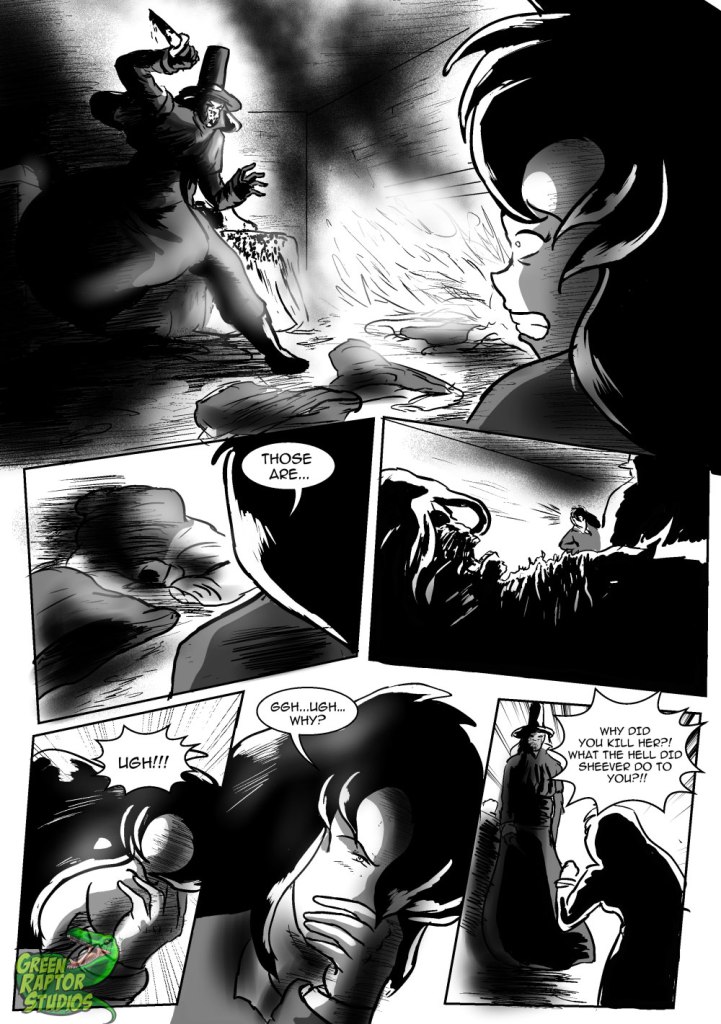
So with all these factors taken into account, the only logical conclusion was to have two killers. One would abide more by historical facts and the reader could attempt to solve, while the other one would be more free to do what we initially wanted. And speaking of history, this chapter features yet another historical note in it. When Kalwa breaks into Mary Kelly’s house, you can see smoke coming from the fire place with clothes thrown in it. This is actually a real determined fact from the murder scene, it is believed that the killer threw clothing into the fire place in order to provide enough light to carry out his horrible act.

But this is not the end of the historical notes or the development of this arch, you’ll see what we mean in the next call back on chapter 19.

CLICK ON ANY OF THE PAGES BELOW TO READ CHAPTER 18!!!
Chapter Look Back: Chapter 17

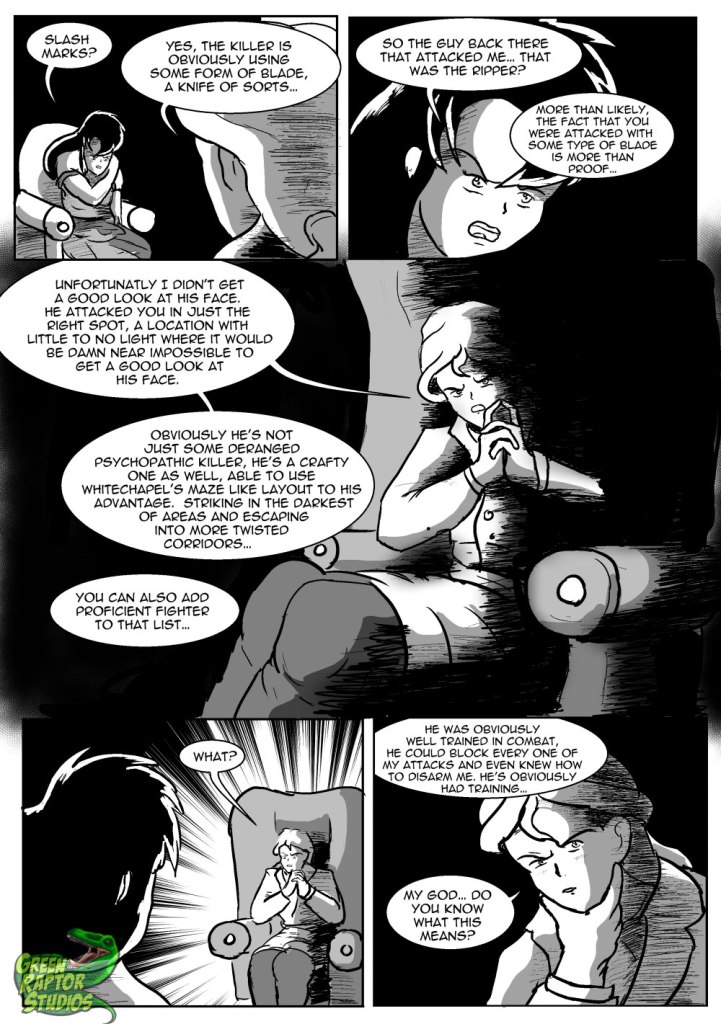
So we now come to chapter 17, the second part of the Whitechapel arch. I would honestly say that this chapter was more of the mystery moment of the arch, as the next chapter would answer the mystery and the following chapter would conclude the story. This was actually the chapter that where most of the research was put into as it contains many, many references to the real life Whitechapel murders.

This chapter mentions in the beginning the night of the double homicide, as well as the mention of the Ripper’s primary targets being women. One other reference that was brought up in this chapter is Gerald Butler himself carrying around his bloody butcher knife. While this was intended to mostly be a fake out on his identity as the killer, in real life butchers often roamed around the streets of London with blood on their apron, in fact one possible murder case of ripper was reported to have taken place around the streets where many butchers lived, thus the killer was able to blend into the background whether he had blood or not.

This chapter also introduced the first guest appearance of a real historical character, that being Mary Kelly, the Ripper’s real life final victim (in London anyway). Of all the suspects I researched, Mary Kelly has the most backstory on her and a number of them were worked into the dialogue. The hooker that Kalwa meets in the alley mentions that Mary loves pup hopping and she’s really “found her voice.” This is actually a reference to Mary’s real life, in which she was said to be “quiet” in real life, and quite “loud” when drunk, even said to have been singing songs in a “irish tougue.”

I actually wanted the reader and Kalwa both to feel upset about Mary meeting her ultimate fate, and this actually became a bit of a challenge at first. Originally Kalwa and Mary were supposed to have more of a conversation, with Mary even suggesting that prostitution wasn’t fully a choice after Kalwa tells her how much the profession sickens her. This was ultimately scrapped as page limitations wouldn’t allow this conversation to carry on, or make it meaningful. Also it would require writing an entire plot as to why Kalwa really hates hookers, as being a hooker doesn’t make some one a bad person. So I decided to put great emphasis on Mary’s design, making her out to look sweet kind and innocent the very opposite of the profession she was in. Also she was brave and tough at the same time, giving her a little appeal to reader. As very little definitive descriptions of Mary Kelly exist (other than her curly red hair), there was plenty of room to freely design her.

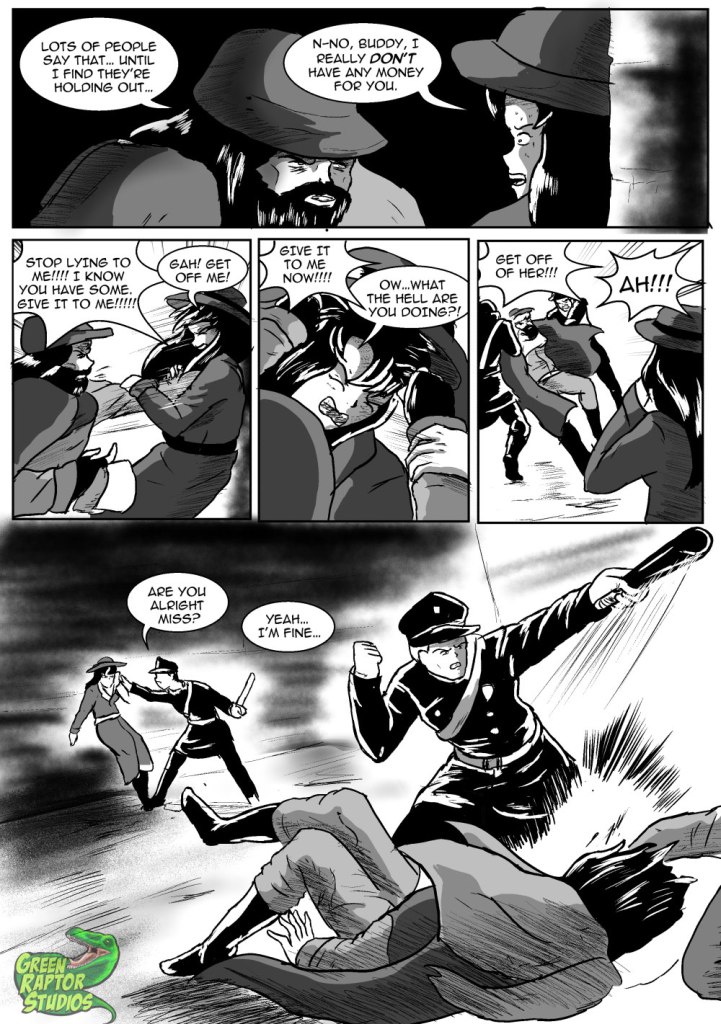
Finally the last worthwhile note to this chapter is than this chapter allowed the comic to incorporate a very real and adult subject: Racism. This is of course brought up in the form of Thomas’s tragedy in which he was not only taken off the case, but he was simply put on because of his Jewish heritage. This plot line developed from my research as I had read that London was full of anti-semitism as it was being flooded by waves of Jewish immigrants who had fled Eastern Europe at the time. In fact one actual suspect for Jack the Ripper was a polish immigrant named John Pizer, whose paper articles often focused on the fact he was Jewish. Further more, racism grew at the very fact that a foreigner was killing ENGLISH prostitutes in their own land. This fact would actually play a major role in the actual story and further cement why the case was never solved. It’s very appropriate for this particular arch as this arch is the jumping off point in which the overall Kalwa story gets darker and more mature going forward. Stay tuned for more information chapter 18.

CLICK ANY OF THE IMAGES BELOW TO READ THE ACTUAL COMIC!

Character concepts

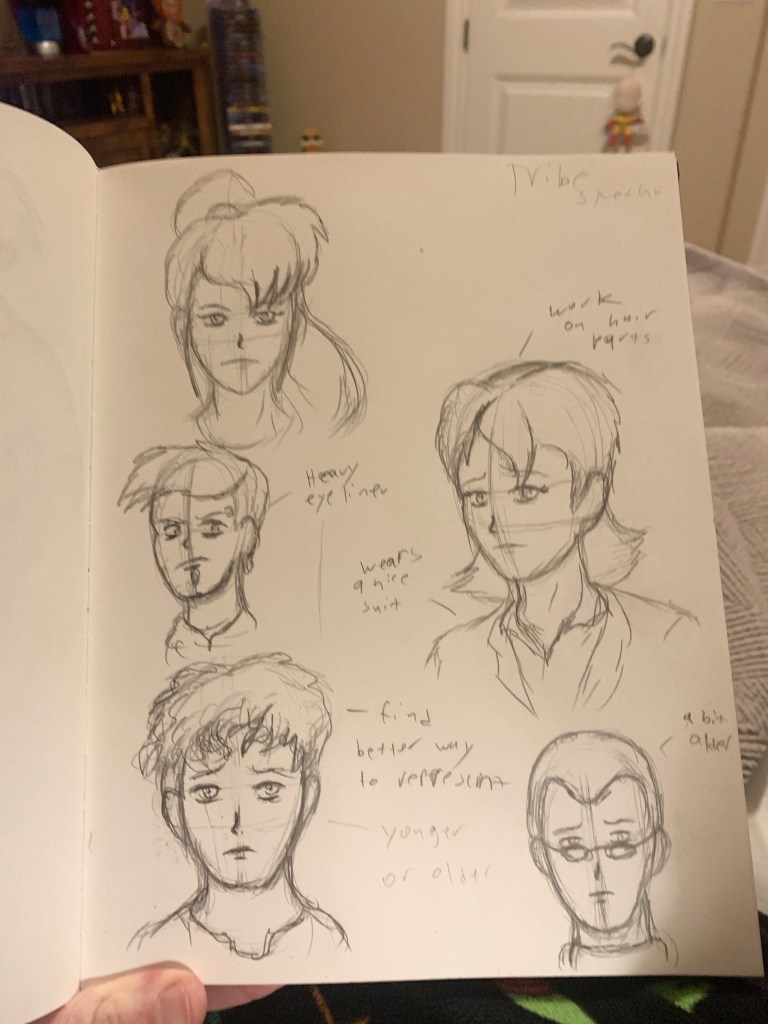
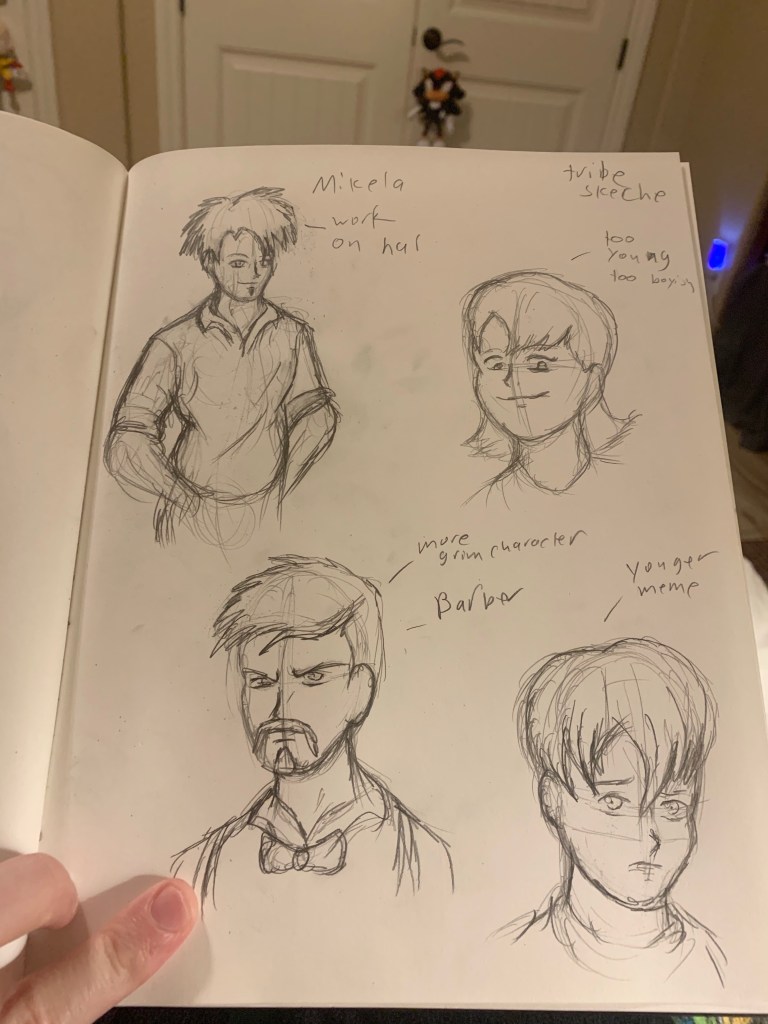
The script for chapter 22 has been sent to my co writer, I will begin the cover later this week. We’ll be introducing a whole cast of characters in this chapter so these last few nights have been spent sketching in the sketchbook, these are just a few headshots that have been drawn up. Look for the new chapter later this month.

Chapter Look Back: Chapter 16

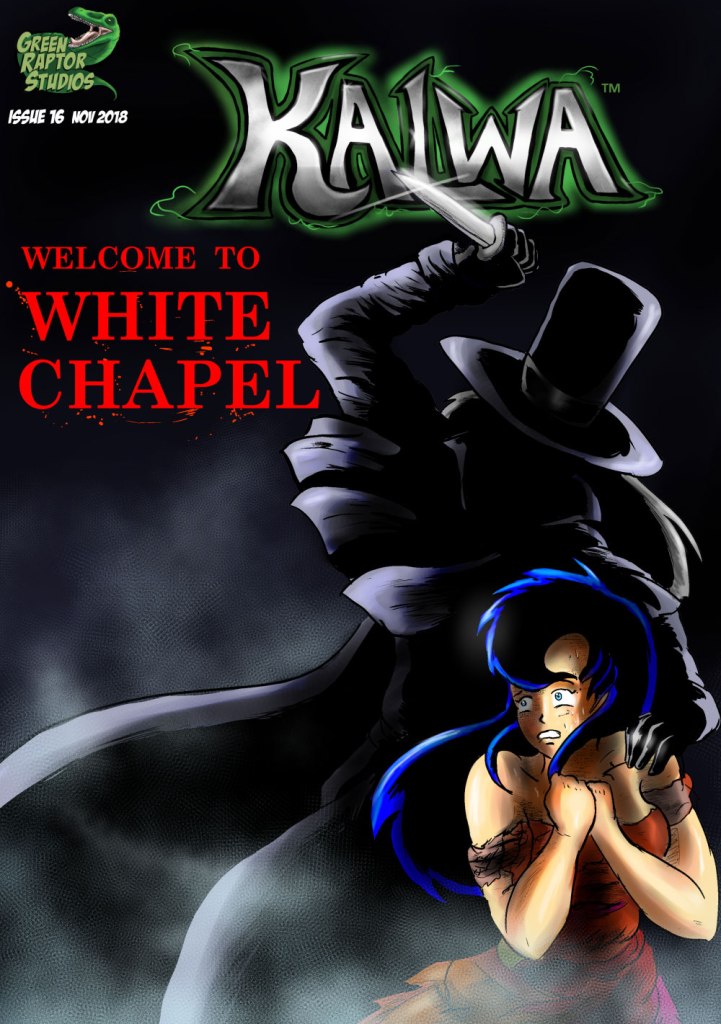
It’s finally time to look back on the Whitechapel saga, which I’ve been holding back on. Of all the story’s done in this story so far, this arch has the most backstory thus far. From the moment the story had begun, Whitechapel was always planned from the start and there was a LOT of research put into it. All the facts presented in the story such as the murder of Martha Tabram are all real life facts, and perhaps the hardest part of all it was taking the real life facts and steering them to work in the fictional story I wanted to tell. There is so much information here that it will all have to be told in spoonfuls which will all be attached to each look back on the Whitechapel chapters.

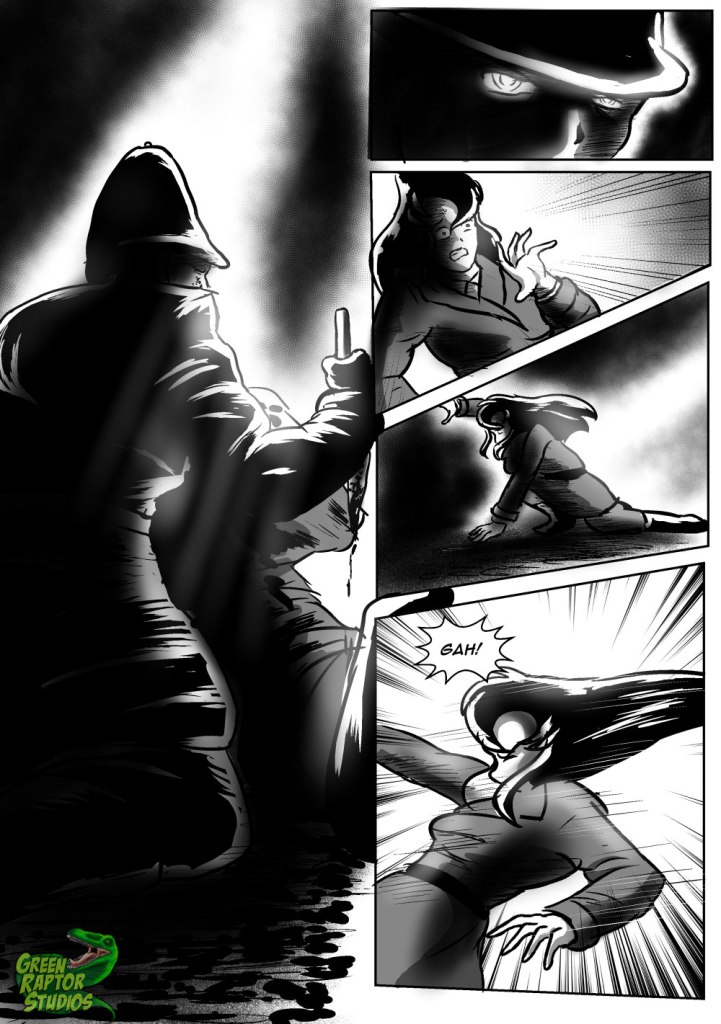
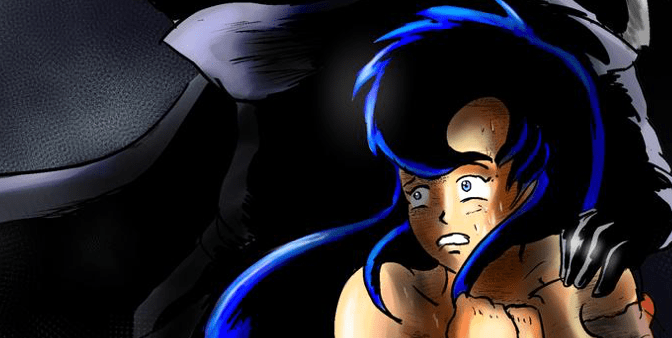
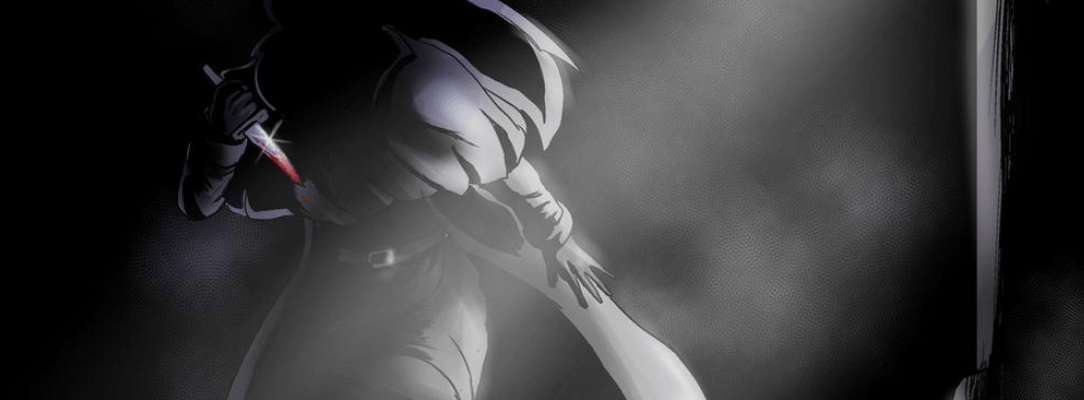
In addition to the research this chapter also allowed me to pour my passion and love for horror and suspense into the pages of a comic book, most notably chapter 16 has this in the first few pages where Kalwa encounters the Ripper. The dreaded suspense and build up with the creaking was a drawn out moment to get the audience disturbed and on the edge of their seat.

Even the very design of arch (namely the night scenes) were modeled after the IDW mini series the Fly Outbreak, which featured heavy amounts of shadow in the panels to convey it’s frightinging and suspenseful atmosphere. The first time I actually read this series I was filled with dread and the thought of what was lurking around the corner and what would leap out. Despite is only be a still comic book, its art style alone was very dreadful and very creepy. As soon as I finished the story, I knew I wanted to incorporate these elements into this story.

In addition, this story arch would serve as the conclusion of the “free adventuring” storyline set in since chapter 1 as Kalwa encounters something she hadn’t faced before… an opponent that she could not defeat. Kalwa’s self defense abilities had been getting her by on the grounds that she had been a girl in time, and most opponents would not expect a girl to know how to fight. This plot line comes crashing down this chapter as Kalwa actually encounters an opponent who is actually skilled in combat and can even hurt her very badly. This would make the audience fear the ripper as much as Kalwa would in the story.

More information will come out in future chapters, and feel free to click any of the images below read this chapter for yourself.

Jack the Ripper Mask Designs

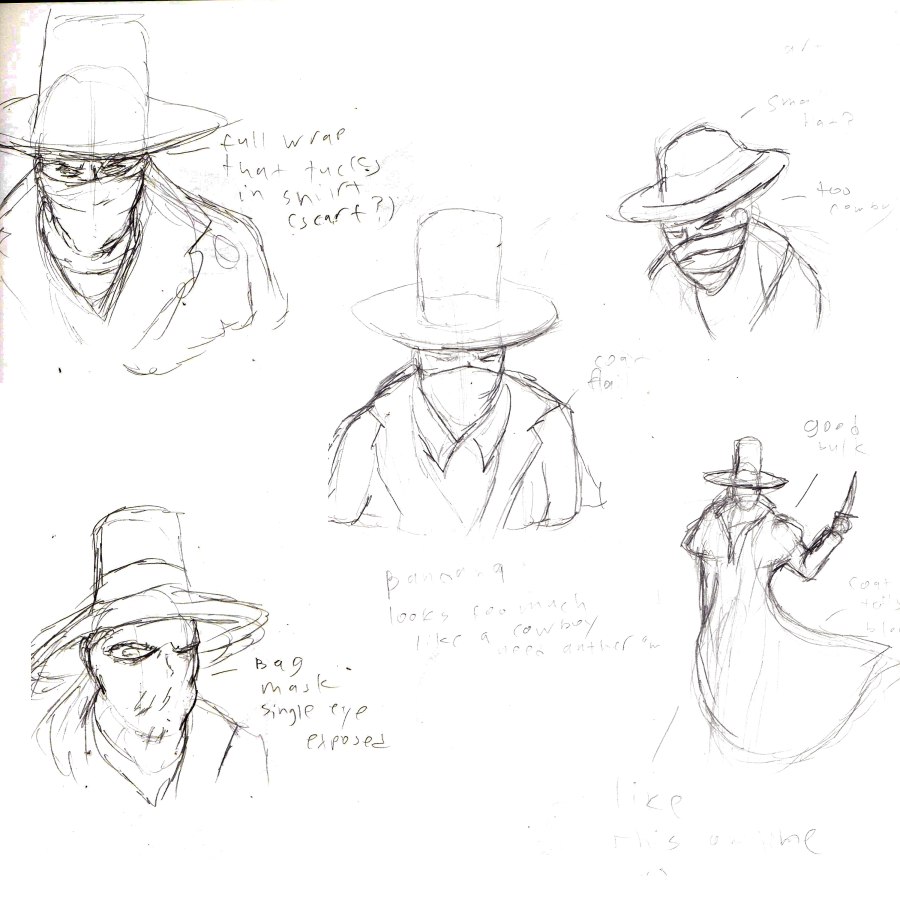
Happy Monday everyone, lets talk it’s time for some more behind the scenes work once again turning to Whitechapel. Illustrated below are some potential designs for the “Jack the Ripper.” In particular the idea of a mask. The idea of a mask did arise during writing as it would be pretty hard for Kalwa to have multiple encounters with the Ripper and not at least get a glimpse of his face, and of course we couldn’t just rely on shadow the whole time (even though in the actual story the first ripper does hide in shadow). So it was only natural to want to hide the ripper’s face, which actually turned out to be quite the challenge. Part of the idea behind the Whitechapel story was for it to be a mystery, to see if readers could figure out who the Ripper was, and thus I was afraid to have any part of the face visible as I feared it would be too big of a clue as to his identity.

The idea for the finalized mask came from the video game series Assasin’s Creed which featured it’s own version of the ripper wearing a bag mask, the sketch in the lower left corner takes great inspiration from this. To make our version unique and further adding questions (as well as keeping consistent with appearences), the final design was given long flowing hair, ultimately revealed to be a wig. He was also given hollow emotionless eyes and my own personal touch of having blood smeared on the mask. Somehow I’ve always found it more frighting to have physical blood on a mask, as a means of some sick pride to the killer.

Gerald Butler Sketch

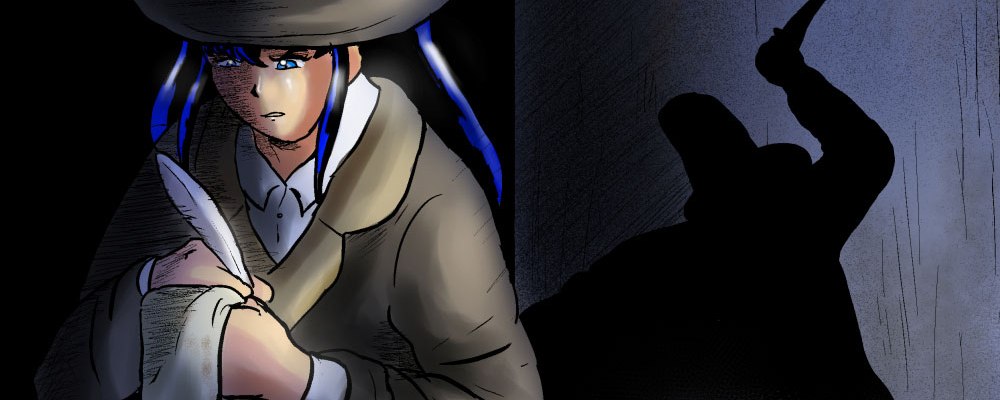
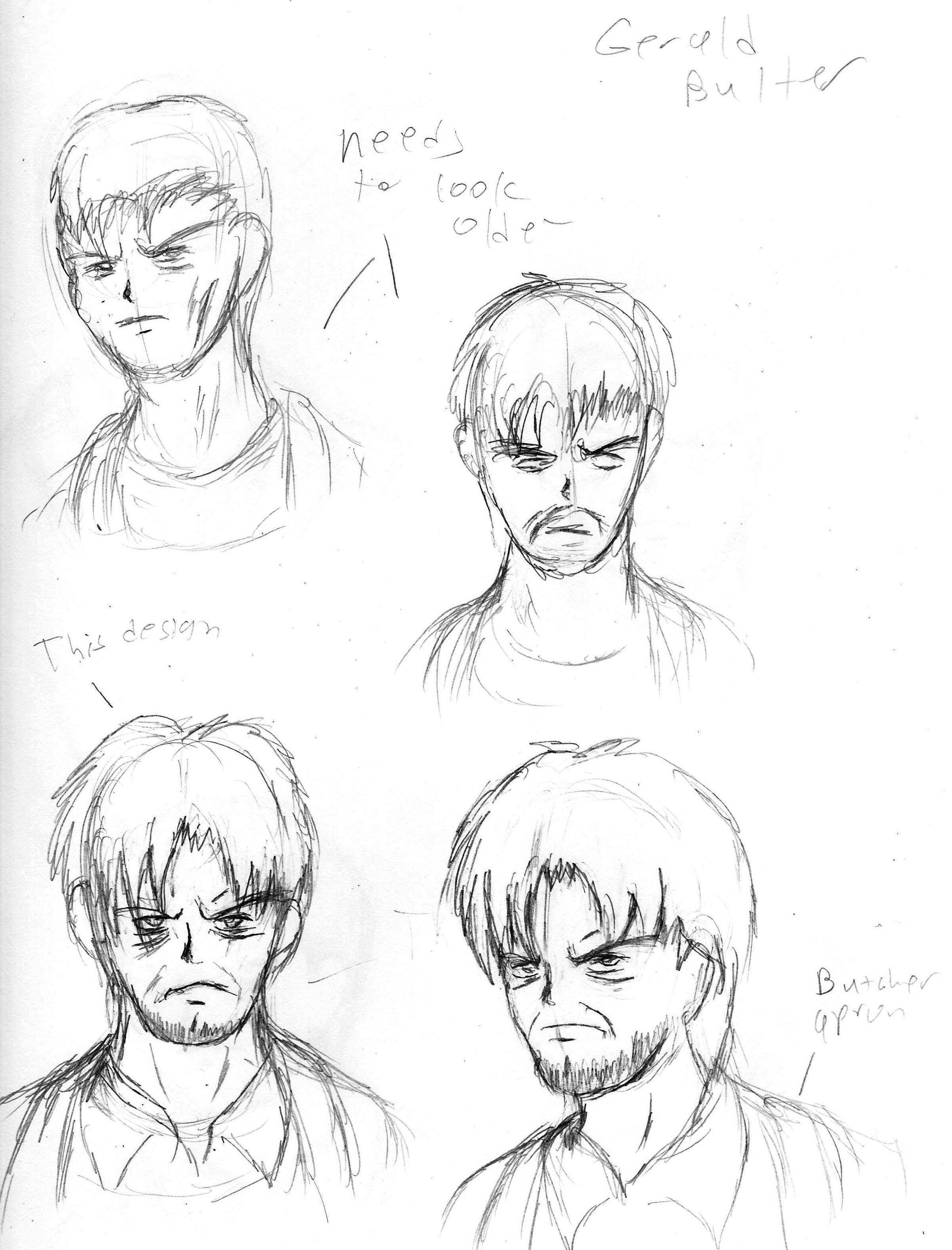
Of all the stories we’ve done in Kalwa, the story with the most backstory is the Whitechapel story arch, which had been a long planned story arch from the day this comic started. Over the course of time, I’ll start sharing all the backstory about this story. Right now, I’ll start of with possibly one of the more vital characters in the arch Gerald Butler, who can be considered the tertiary antagonist of the arch. Racism was actually a major part of the story, as historically there may or may not have been prejudice agains the jewish community at the time of the Whitechapel murders. Gerald Butler was meant to represent that racism, but he also took several other cues from historic Whitechapel locals.

Of course the first thing to note about Gerald is that he is butcher, which is actually a suspicious, yet easy to escape occupation during the murders. Butchers were often time covered in blood, which actually them the perfect cover up for crowds. In fact historically the actual “Jack the Ripper” may escaped into the crowd after killing one of the “canonical five,” yet was able to escape as he wondered through a part of town where many butchers worked, thus blood on his clothes would not be unusual. In fact the scene where Gerald is walking with a bloody knife is actually a reference to this.

Design wise, Gerald came out very different than what I originally envisioned. I had intended Gerald to look much more slick possibly with some characteristics of what I would consider french looking (small mustache, thin neck). However these characteristics made the character look far too young, especially given that he was meant to be the father of full grown woman. So the character went through a couple of revisions, he was given a much more gruff appearance and more wrinkles under his eyes to represent both his malice, his age and at the same time his very unstable mind. Gerald I think is probably in my opinion the definition of continued to design, to keep designing and don’t go right away with the first look. As horrible as his character is (moral wise) he actually is one of my favorite villain designs in the series so far.